As promised, here is our first Nabu Casa newsletter 🥇—your regular look at the latest developments in our hardware and Cloud services. First off, I’d like to thank you for subscribing; if you enjoy the read, please share it or reply with your thoughts!
In this issue, we’ve got some awesome updates for our latest Connect devices… including a new experimental firmware that turns them into powerful Zigbee and Z-Wave repeaters 📶. We’re also going to catch you up on other big developments, including whole-home audio with Voice Preview Edition, Portable Z-Wave, and a boost for EU users of Connect ZBT-2.
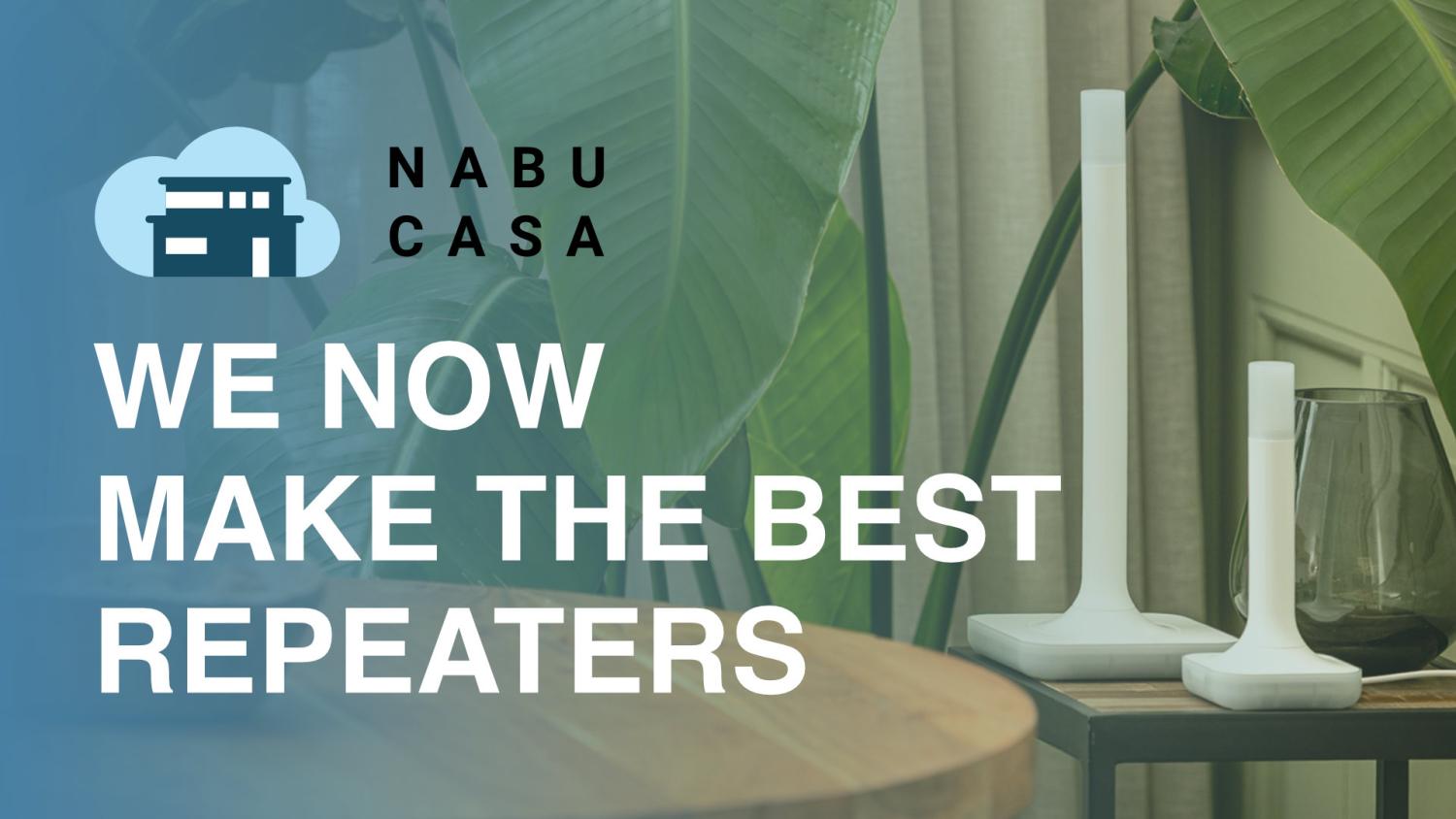
We now make the best repeaters
This week, on the Open Home Foundation’s Toolbox website, you’ll be able to flash a new experimental repeater firmware to your Connect ZBT-2 and Connect ZWA-2. Just a heads up, these haven’t been tested in large number and are still considered experimental, so there may still be issues. A few of the Nabu Casa team have been testing them on the Z-Wave and Zigbee networks in their homes, and the results are impressive.
When we launched our second-generation Connect line, we put a lot of effort into optimizing their antennas and bases to maximize their ability to hear and be heard by devices around the home. We also designed the devices to look great in the home, and this new experimental firmware makes them the ultimate Zigbee and Z-Wave repeaters. If you’ve ever had that one part of your home where devices give you the most trouble, this might be your dark spot killer 🔦.
You might ask how a repeater can help, and it's all down to how Zigbee and Z-Wave were designed. They are both mesh communications technologies for smart devices, and give mains-powered smart devices the ability to pass along every message they receive to nearby devices. Battery-powered devices don’t act as repeaters to save on energy, and some mains-powered devices don’t always have the best antennas, making them less than helpful at repeating messages.
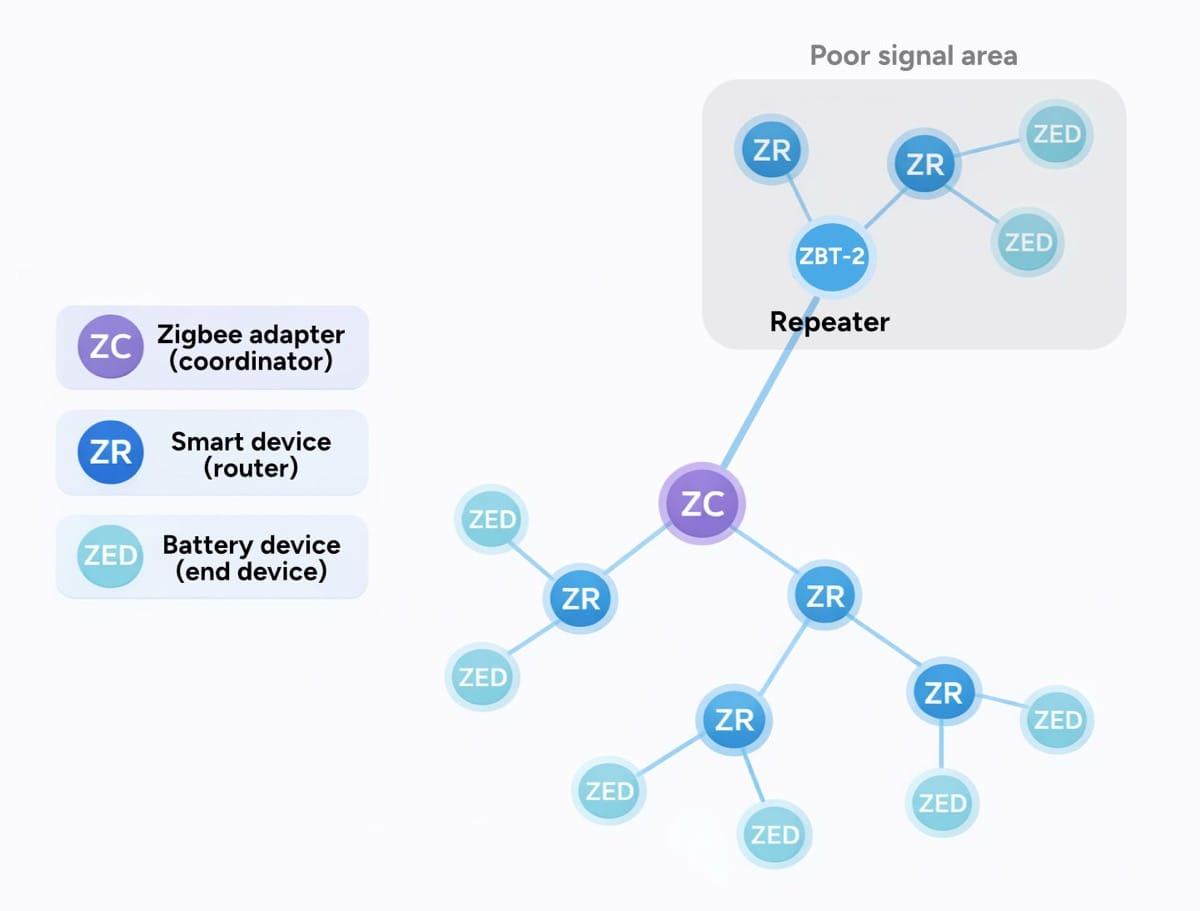
A scenario where a dedicated Zigbee repeater can make a big difference
That’s where a repeater can massively help your network, especially one designed to be excellent at sending and receiving messages. One member of the Nabu Casa team has used a Connect ZBT-2 to turn what used to be a 3-4 device hop to the 3rd floor, into a 2-hop trip. They report that the devices that used to drop out every couple of weeks have become as responsive as the devices next to their Home Assistant server 🚀. A nice extra touch for the repeater firmware is the ability to completely control the light on the top of Connect devices. So even if you don’t have a need for a repeater, they’re great smart candles 🕯️, which come in two unique sizes 😉.
Just a couple of helpful things to note: If you do choose to flash this experimental firmware onto your Connect device, don’t worry, you can always convert it back to its original coordinator/controller firmware via the Open Home Foundation’s Toolbox website. When in repeater mode, all it requires is a Zigbee or Z-Wave connection and power; no network connection is required. Also, as these turn the Connect devices into generic Zigbee and Z-Wave devices, they can work with any network, even if it doesn't have a Connect adapter (or even Home Assistant) at the heart of it. You can pair them to most any network by pressing the recessed button next to the USB port.
If you’re wondering when we’ll make a Thread repeater, due to the commissioning differences with Thread, it's a lot more complex to do this with our current technology. It would probably be a better option to make a Thread border router firmware, but we’re still exploring if this is possible.
To get started using this new experimental firmware on your Connect ZBT-2 or Connect ZWA-2, visit the Open Home Foundation’s Toolbox website, or read our Connect ZBT-2 or Connect ZWA-2 support pages to walk through getting your device set up as a repeater.
Sync audio with Voice Preview Edition
If you didn’t catch the update from the Open Home Foundation team, they’ve released a new streaming audio protocol called SendSpin. This open source protocol lets you synchronize audio from multiple audio players, but also allows you to synchronize visualizations and album art. It’s gaining traction with the DIY community, and has great support in Music Assistant (think of it like the Home Assistant of audio, allowing you to have all your audio sources/files connected to all your players), and the first supported hardware is none other than the Home Assistant Voice Preview Edition 🎶!
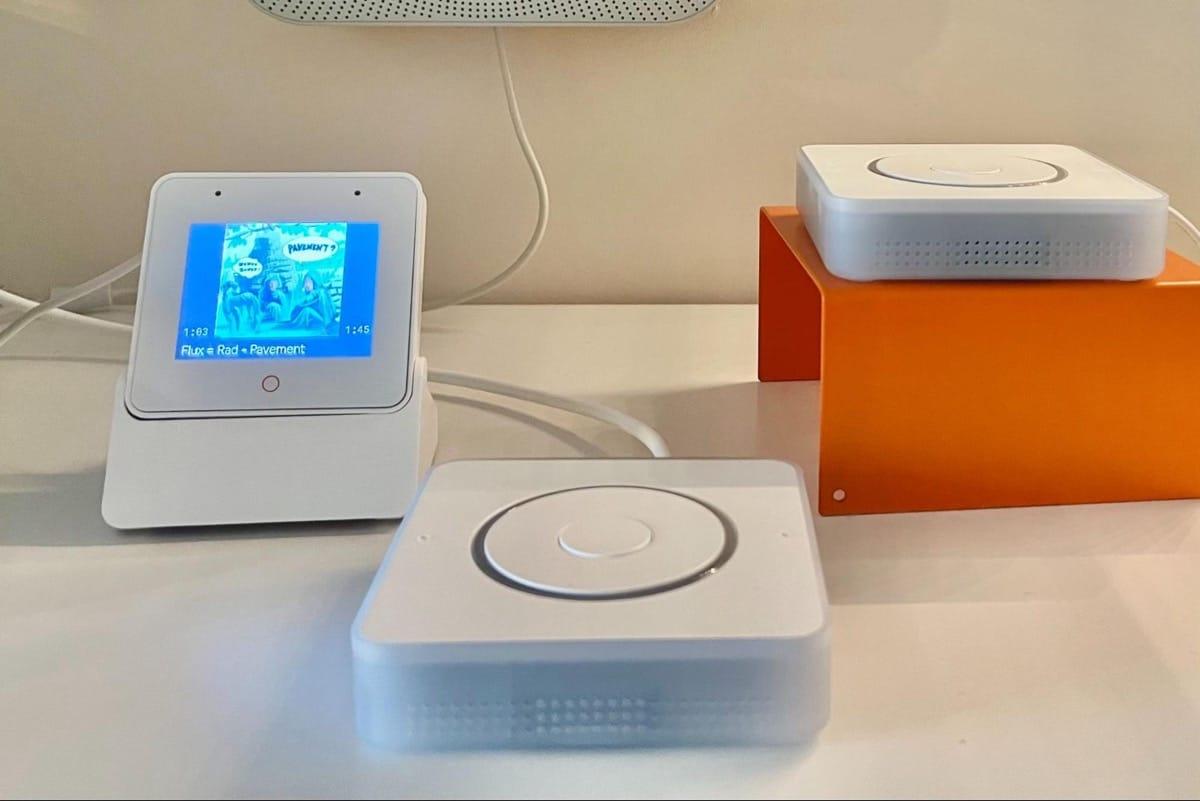
Two VPEs and a Box 3 display, all playing the same track with Sendspin in perfect sync 🤟
Now you can synchronize the audio playing on your computer's speakers with the audio playing from your Voice Preview Edition. If you’re not aware, the audio jack on the back of the Voice Preview Edition produces some incredibly clean audio, and using its advanced audio processing, it can even filter out the audio playing to better hear your voice. A community member even synced more than ten VPEs together, all pumping tunes from the audio jack to different speaker systems around their home.
It’s one of the cheapest and most powerful ways to build an open-source whole-home audio system. What’s more, people have made ESPHome-powered displays to show the album art of what’s playing 😎. To get started today, just make sure you’re on the latest version of the Voice Preview Edition firmware and the latest Music Assistant… then turn it up to 11 🔊.
Awesome extras
-
Get a refurbished Green - This month, we launched our first refurb program with the help of AmeriDroid 🎉! We’re starting the program in the US, with just the Home Assistant Green, but are looking to expand it in time. We hate smart home e-waste, so let's find new homes for these like-new Greens. Find out more here.
-
Bluetooth in more things - If you’re using Portable Z-Wave on your Connect ZWA-2 to use it over PoE or Wi-Fi, an update from a couple of months ago now allows it to pull double duty as a Bluetooth proxy. You can flip this on right from the device page in Home Assistant to start expanding your Bluetooth coverage instantly.
-
Connect ZBT-2 goes loud - When we launched Connect ZBT-2, we realized that with such a great antenna, we could max out the transmit levels. In the EU, that level is 10dBm, when previously we used 8dBm (which is the max in the North American region). At launch, new Zigbee/Thread networks were able to take advantage of the 10dBm transmit level in the EU, but when you migrated, we needed to build a solution to ease the migration to avoid disrupting your well-established network. Well, that solution has been built, and all Connect ZBT-2 adapters based in the EU now get an extra 2dBm transmit, which actually represents nearly a 60% increase in raw transmit power, but real-world results are always a little more mixed. The change happens automatically when you update the firmware and Home Assistant to the latest version.
Thanks!
A big thanks for reading our first edition. Again, don’t forget to share this along or subscribe if this was forwarded to you.
~Carl from Nabu Casa
|